
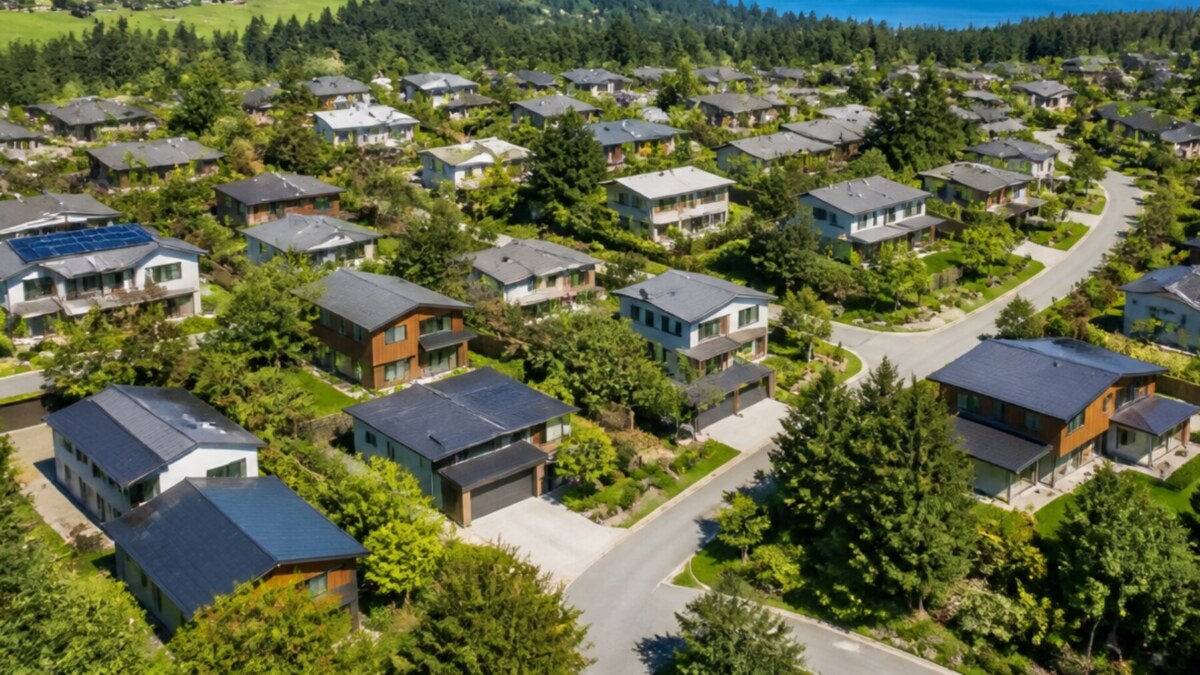
Large developments are defined by scale, but they are also defined by exposure to risk. The larger the project, the more variables a developer must manage. Schedule certainty, labour availability, weather exposure, material coordination, and quality consistency all influence whether a project delivers on time and on budget.
In traditional large-scale development construction, many of these variables are outside the builder’s control. Panelized construction changes that equation. By moving critical work off-site and into a controlled manufacturing environment, developers gain predictability and measurable construction risk reduction across every phase of a project.
At Primefab, panelized construction is not simply about building faster. It is about building with greater certainty.
Where Risk Comes From in Large-Scale Development Construction
Developers managing multi-residential or mixed-use projects often face recurring challenges, including:
Weather Exposure
Weather delays construction schedules in multiple ways: by slowing framing, damaging materials, and preventing exterior work from occurring. A single period of heavy rain or freezing conditions can push timelines back weeks and affect every trade scheduled afterward.
Labour Availability
Labour shortages in construction continue to impact large projects across Canada. When framing crews, exterior installers, or finishing trades are unavailable, work stops, and costs rise for developers.
Scheduling Coordination
Traditional builds require multiple trades to complete sequential tasks. Framers, air barrier installers, window installers, cladding crews, and insulation teams must all align their schedules. If one trade falls behind, the entire project schedule shifts. This creates significant construction scheduling risk and can dramatically increase costs.
Variable Quality
Large projects often span months or years. Different crews, changing site conditions, and material exposure can lead to inconsistent quality control construction practices and costly rework.
For developers, these risks translate into financing pressure, delayed occupancy, and reduced returns on their investments.
What Panelized Construction Changes
Panelized construction replaces a fragmented process with a coordinated system. Prefab wall systems are engineered and manufactured in a controlled facility, then delivered ready for installation. Instead of assembling the building envelope piece by piece on site, the envelope arrives as a complete, integrated assembly.
This shift creates meaningful construction risk reduction in four key areas.
1. Reducing Weather Delays
With panelized construction, most envelope fabrication occurs indoors. Framing, insulation preparation, sheathing, and detailing are completed before panels reach the job site. This dramatically reduces exposure to weather delays that construction commonly experiences.
Once delivered, panels are installed quickly, allowing the structure to be completed sooner. A faster enclosure protects interior work and materials from rain, snow, and temperature swings. The project moves from exposure to protection in days rather than weeks.
For large developments, early enclosure is one of the most important schedule controls available.
2. Addressing Labour Shortages
Panelized construction significantly reduces the number of trades required on-site. Because prefab wall systems arrive pre-engineered and labelled, installation crews can assemble large sections of the building envelope without coordinating multiple specialized teams.
For developers, this means:
- fewer workers required on site
- less dependence on already scarce framing crews
- reduced impact of labour shortages on construction impact
- improved site safety and supervision
Off-site construction for developers shifts labour from unpredictable job sites to a controlled manufacturing workforce. This stabilizes productivity and improves planning.
3. Improving Schedule Certainty
One of the greatest sources of risk in large-scale development construction is sequencing. Traditional builds rely on perfect coordination between trades that operate independently. When one activity is delayed, every following activity shifts.
Panelized construction supports predictable scheduling by allowing site work and manufacturing to occur simultaneously. Foundations and site servicing progress while panels are produced in the factory. Once the structure is ready, installation begins immediately.
Because panels are delivered just in time, developers reduce storage requirements and avoid waiting for materials. The result is a measurable reduction in construction scheduling risk and a clearer path to occupancy.
4. Strengthening Quality Control Construction
Quality inconsistency often appears on large projects due to varying conditions and crews. Panelized construction addresses this by standardizing the process.
Prefab wall systems are built using repeatable procedures, calibrated equipment, and inspection protocols. Each panel is manufactured to the same specifications, regardless of project size or location. This ensures:
- tighter tolerances
- consistent air and moisture control
- fewer installation errors
- reduced rework and callbacks
For developers managing multiple buildings or phases, consistent quality is as valuable as speed. Reliable performance protects both budgets and reputation.
Why Developers Are Moving Toward Panelized Systems
Panelized construction allows developers to manage risk rather than react to it. Instead of relying solely on field conditions, projects benefit from a controlled, repeatable process.
Across large developments, the advantages compound:
- faster lock up
- earlier interior work
- predictable labour requirements
- consistent building performance
- improved financing confidence
Prefab wall systems provide a level of planning certainty that traditional construction methods struggle to deliver.
Primefab’s Approach to Risk Reduction
Primefab supports developers by focusing on the building envelope, the part of the project most closely tied to schedule and performance. Our panelized wall systems are designed to streamline installation while improving reliability across residential, multi-residential, and mixed-use projects.
Backed by the Triumph Group of Companies, Primefab operates within an integrated manufacturing network that includes complementary envelope components. This coordinated approach reduces handoffs, simplifies project management, and strengthens construction risk reduction outcomes.
By combining engineering, fabrication, and logistics, we help developers replace uncertainty with planning. Ready to talk about your next project?